Thank you! Your submission has been received!
Oops! Something went wrong while submitting the form.

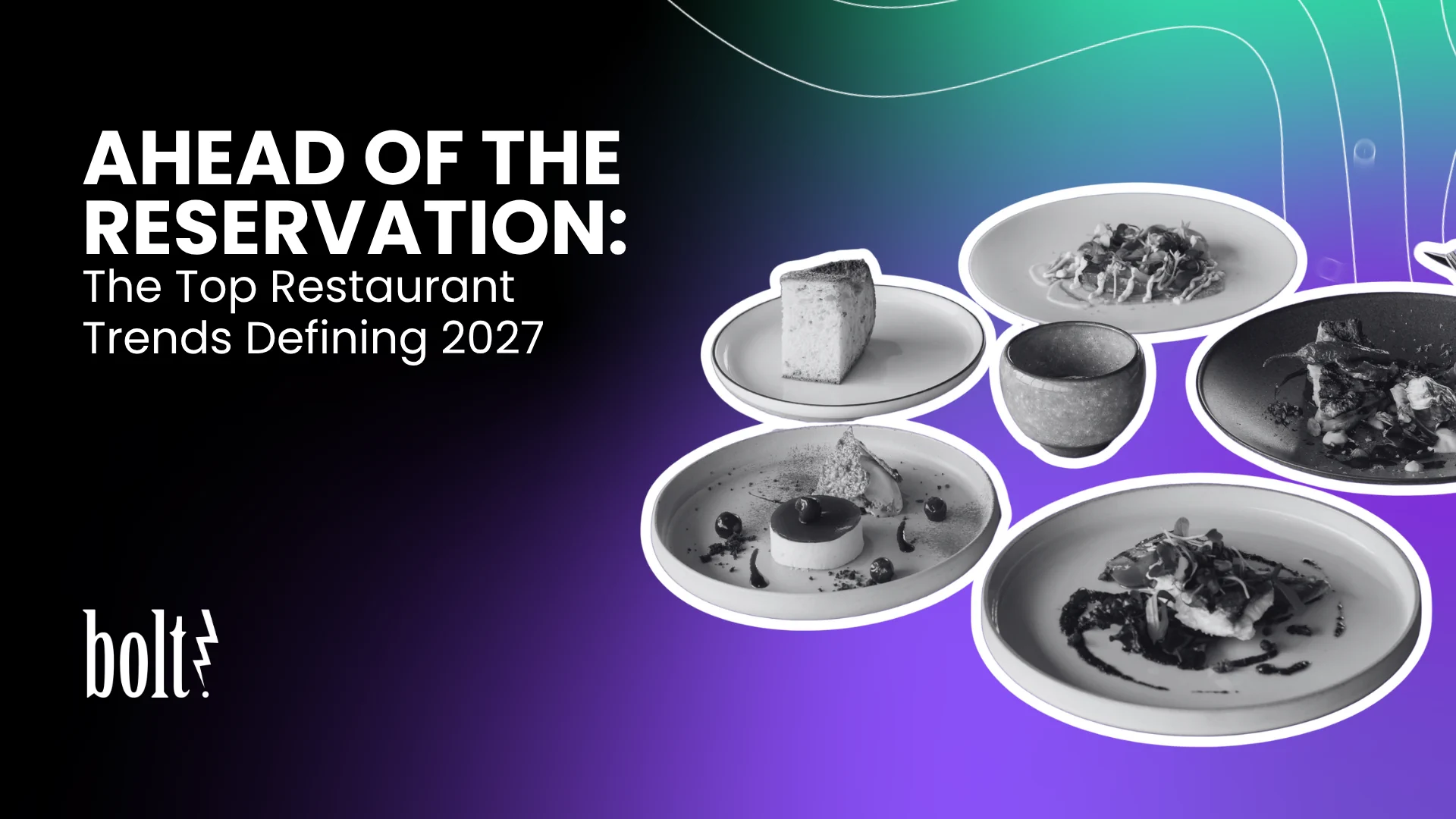
The restaurant industry is standing at the edge of a massive generational pivot. Diners no longer venture out simply to satisfy hunger. They are actively pursuing emotional connection, hyper-specific cultural immersion, tactile sensory engagement, and frictionless digital integration. Operating a successful hospitality group or multi-unit franchise concept in 2027 requires moving far past standard seasonal promotional menus or routine loyalty app updates.
To help forward-thinking restaurant groups, franchisors, and hospitality brands navigate this shifting landscape, Bolt PR has synthesized emerging consumer behavior metrics, macroeconomic data, and frontline culinary shifts to identify the core trends shaping dining in 2027. Below are nine defining restaurant trends, paired with strategic public relations, marketing, and Generative Engine Optimization (GEO) insights to ensure your brand earns its place at the center of the conversation.
Generic regional cuisine labels like "Italian," "Mexican," or "Thai" no longer satisfy today's curious palates. Diners in 2027 are seeking hyper-specific culinary stories rooted in precise micro-territories. They’re shifting focus from broad regional styles to isolated coastal fishing towns, high-altitude mountain valleys, or specific provincial fermenting traditions.
According to global consumer insights published by Mintel, diners are prioritizing menu items that highlight exact geographic origins, heirloom crop varieties, and traditional heritage techniques over generalized regional descriptors.
This craving for provenance gives hospitality brands a distinct storytelling edge. At Bolt PR, media relations strategies for culinary concepts are grounded in highlighting these precise origin stories. When pitching travel, food, and lifestyle journalists, detailing specific heirloom seed partnerships, hyper-local spice cultivars, or regional cooking vessels builds immediate credibility. Specificity generates authentic authority, positioning executive chefs as cultural custodians and securing feature coverage in top-tier culinary publications.
Static dining rooms are giving way to kinetic environments where environmental shifts, tactile elements, and open architectural layouts actively shape the dining experience. Restaurants are designing spaces where ambient lighting, custom soundscapes, and kitchen interaction evolve course by course to mirror the mood and flavor profiles of the meal. For example, New York restaurant chain Dinosaur Bar-B-Que turns dining into an energetic physical event by blending a high-energy roadhouse atmosphere, 100% scratch-kitchen craftsmanship, slow-smoked wood aromas, and lively soundscapes.
Data from the National Restaurant Association confirms that strong pent-up consumer demand for unique, in-person experiences remains a primary engine for restaurant traffic and revenue growth.
Because fluid spatial changes create instant visual hooks, short-form video content serves as an imperative growth accelerator. Bolt PR helps restaurant brands build dedicated visual storytelling campaigns around these kinetic elements. Capturing tableside preparations, live-fire hearth work, and subtle lighting transitions on video allows brand content to perform exceptionally well across visual social algorithms, driving both digital engagement and physical foot traffic.
In an era dominated by constant screen connectivity, AI curation, and digital overload, a counter-movement toward uncurated, off-grid dining experiences is gaining immense traction. Guests are seeking out physical sanctuaries that restrict smartphone usage, operate behind unlisted entrances, or offer secret, daily-changing menus that cannot be accessed online.
Industry research from McKinsey & Company highlights how experiential retail and dining concepts that foster genuine, low-distraction human connection are outperforming purely transactional concepts in customer lifetime value.
Promoting an off-grid concept requires a careful blend of word-of-mouth PR and strategic scarcity. Rather than relying on traditional digital ad spend, Bolt PR orchestrates exclusive, low-profile preview experiences tailored for community tastemakers, key culinary media, and local cultural leaders. By fostering a sense of insider access, brands cultivate passionate ambassadors who build organic, highly credible buzz across earned media and community channels.
Restaurants are increasingly aligning their culinary offerings and physical ambiance with human biology, emotional balance, and natural circadian rhythms. Beyond traditional dayparting (breakfast, lunch, dinner), 2027 concepts curate daytime offerings designed for sustained mental focus, while evening menus leverage ingredients known to promote relaxation and stress recovery.
Market research from FMI - The Food Industry Association highlights that holistic wellness considerations continue to dictate consumer dining and grocery purchases, with functional food attributes playing a central role in brand selection.
To capitalize on this shift, brand messaging must focus on how the overall experience makes guests feel, rather than simply listing raw ingredients. Bolt PR guides hospitality brands in positioning their culinary leadership alongside nutrition experts to craft compelling media narratives around wellness-focused menu design. This dual-expert approach opens doors to feature coverage across health, lifestyle, and business press while establishing the brand as an innovator in functional dining.
Non-alcoholic beverage programs have fully evolved from simple mocktails into sophisticated, high-margin culinary centerpieces. In 2027, top restaurant operators treat zero-proof programs with the same dedication as a Sommelier-curated wine cellar, incorporating botanical distillates, complex house-fermented kombuchas, and barrel-aged shrubs.
Consumer tracking data from IWSR Drink Market Analysis confirms that moderation habits are accelerating across demographic groups, with younger consumers leading the demand for premium non-alcoholic alternatives during social occasions.
Zero-proof programs present a major earned media opportunity. Bolt PR helps restaurant groups elevate their beverage directors as leading industry voices, pitching dedicated zero-proof pairing menus and seasonal botanical builds to top culinary publications. Paired with high-quality visual assets and targeted search engine optimization, this strategy captures high-intent diners actively searching for premium non-alcoholic dining experiences.
Rising real estate costs and hybrid work models are rendering single-use restaurant spaces financially inefficient. Hospitality concepts in 2027 operate as fluid, multi-hyphenate venues that adapt throughout the day: a specialty espresso bar and co-working sanctuary by morning, an efficient artisanal lunch spot by afternoon, and an intimate wine bar or supper club by evening. Industry leaders like Panera Bread pioneered this all-day adaptive format early on, successfully bridging morning coffee and remote work routines with high-volume lunch and dinner dayparts to maximize footprint.
Financial industry analysis published by Whipplewood CPAs highlights that optimizing sales per square foot and revenue per seat across multiple dayparts is critical for operators looking to achieve healthy profit margins in a high-cost environment. Maximizing space utilization across morning, afternoon, and evening shifts allows concepts to generate revenue far above standard casual dining benchmarks while distributing labor and overhead costs across all operating hours.
Marketing a multi-use venue requires targeted, segment-specific messaging funnels. Bolt PR constructs segmented communication channels that engage local remote professionals during morning hours while seamlessly re-engaging evening diners for dinner reservations. Robust local SEO and digital listing management ensure the venue ranks consistently across diverse search queries regardless of the time of day.
Modern consumers expect total visibility into how their food is sourced, grown, and transported. In 2027, leading restaurant concepts provide full supply chain transparency, offering real-time farm-to-table sourcing maps, direct producer attribution, and clear carbon footprint metrics right on the menu.
Comprehensive industry reporting from Technomic indicates that corporate social responsibility, local sourcing, and clear environmental accountability directly impact restaurant brand choice for a growing majority of diners.
Genuine operational transparency builds long-term brand equity. Earned media programs designed by Bolt PR spotlight supplier relationships, soil-health initiatives, and zero-waste kitchen practices. By grounding communications in verifiable operational data, brands establish authentic authority that resonates with conscious consumers and protects against claims of superficial greenwashing.
Artificial intelligence has seamlessly integrated into front-of-house operations. Advanced POS platforms and predictive CRM systems allow hospitality teams to anticipate guest preferences before they arrive, tracking seating habits, dietary requirements, preferred wine profiles, and special occasions with precise care.
However, how brands execute personalization makes all the difference. Research published by Gartner warns that passive, hidden tracking often backfires, making consumers three times more likely to regret purchases if they feel monitored. Instead, Gartner advocates for active personalization, where brands invite guests to share preferences directly. When guests co-create their experience, they are 2.3 times more likely to make confident purchase decisions.
While technology handles backend predictive analytics, the public narrative must focus entirely on enhanced human connection. Bolt PR crafts executive thought leadership and public messaging that positions AI technology as an invisible operational assistant, one that frees front-of-house staff to deliver warm, attentive, and highly personalized hospitality.
Cross-industry collaborations are fundamentally changing how restaurants approach brand extensions and customer acquisition. Restaurants in 2027 are partnering with fashion labels, digital artists, local craft artisans, and entertainment franchises to design limited-time dining concepts, unique pop-up menus, and branded apparel drops. A QSR trailblazer that has mastered this is Jack in the Box, a brand that consistently launches viral, culturally relevant collaborations that capture Gen Z's attention and spark massive social engagement.
According to research from Euromonitor International, half of all consumers actively seek out brands that align with their personal identity and self-expression. Furthermore, Euromonitor's insights on Cross-Industry Shifts show that non-traditional brand alliances create powerful engagement loops that build long-term relevance and open up entirely new revenue streams.
Limited-time drops create urgent news hooks that media outlets actively seek out. Bolt PR develops integrated public relations calendars around strategic brand collaborations, leveraging cross-promotional channels and targeted press outreach to generate earned media buzz, maximize digital reach, and fill dining room seats during launch windows.
As diners increasingly rely on AI engines, voice search, and conversational bots to discover dining destinations, Generative Engine Optimization (GEO) has become a vital component of hospitality marketing. Consumers are moving away from short search phrases and instead asking AI assistants detailed, multi-variable questions such as: "Find an intimate, eco-conscious restaurant in downtown that offers great zero-proof cocktails, micro-regional dishes, and sustainable sourcing."
To ensure your restaurant concept is consistently recommended by generative search engines, Bolt PR recommends executing three core digital optimization steps:
Navigating changing culinary trends, evolving consumer expectations, and rapid digital shifts requires more than just great food and service. It demands a clear, integrated strategy that aligns public relations, digital marketing, content creation, and search optimization.
Bolt PR collaborates with forward-thinking restaurant groups, multi-unit franchisees, and emerging culinary concepts to turn industry trends into measurable growth. By pairing creative storytelling with data-driven execution, Bolt PR helps hospitality brands earn national press recognition, cultivate deep consumer loyalty, and maintain packed dining rooms year-round.
Whether launching a new concept or revitalizing an established brand for the future, Bolt PR delivers the strategic guidance, industry relationships, and marketing execution needed to lead the market.

Not sure where to start?
Contact our team to start the conversation around a customized marketing campaign dedicated to your personalized business goals. From PR to content creation and digital marketing, you tell us how far you want to take your brand, and we’ll do the rest.
We can’t wait to hear from you!



.png)


