Thank you! Your submission has been received!
Oops! Something went wrong while submitting the form.

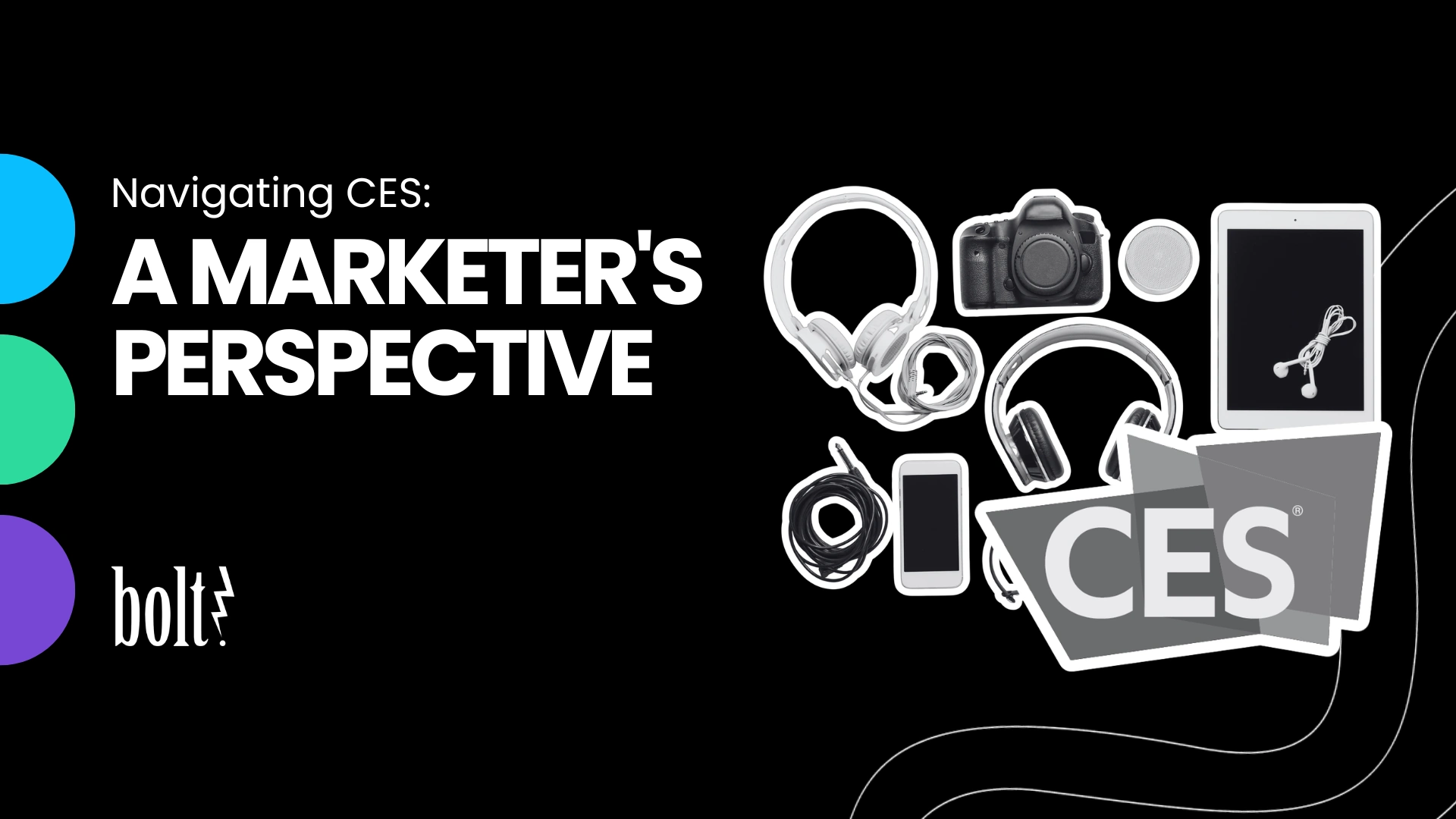
The Consumer Electronics Show (CES) in Las Vegas is not just a trade show to highlight new gadgets. It has evolved into one of the most critical marketing, media, and brand strategy events of the year. According to the Consumer Technology Association's audited data, the event drew over 148,000 attendees, with senior-level executives accounting for more than half of the total audience. Notably, attendance within the marketing and advertising sectors at C Space surged to over 13,000 industry professionals.
For a brand leader or Chief Marketing Officer, standing out in this massive ecosystem requires careful planning. Moving the needle takes more than just booking a booth. It demands a sophisticated blend of intentional networking, precise trend-spotting, and experiential storytelling.
With thousands of media professionals, content creators, and investors roaming the show floor, you cannot rely on accidental hallway encounters. True networking success requires a proactive framework built weeks in advance. Marketers should consider these five pillars for networking success:
CES is the ultimate launchpad for emerging technology, making it easy to get distracted by flashy, short-term novelties. Marketers must learn to look past the immediate hype to identify sustainable macro trends that will influence consumer behavior over the next three to five years. Five steps to master trend-spotting include:
Passive sampling and static backdrops are no longer sufficient to capture attention on a crowded showroom floor. The most successful brand activations at CES create multi-sensory experiences that turn casual observers into active participants. To build a highly effective brand experience, ensure your team executes these five tactics:
For brands aiming to cut through the heavy noise of a massive trade show floor, participating in specialized, media-focused showcases is an essential component of a successful PR playbook. Chief among these is Pepcom's Digital Experience, an exclusive, independent event held on the eve of the official opening. Often described as "media speed dating," Pepcom brings together hundreds of the world's most forward-thinking tech companies and upwards of a thousand verified members of the press in a highly focused, high-energy environment.
Unlike the sprawling convention halls where attendees can easily walk right past your booth, Pepcom condenses your media outreach into a highly concentrated, three-hour evening showcase. Because attendance is strictly limited to credentialed journalists, bloggers, broadcast producers, and analysts, every single conversation carries the potential to yield a top-tier media placement. It provides an intimate, relaxed setting complete with premium hospitality, making reporters far more receptive to pitch narratives and live product demonstrations than they might be during a frantic day on the main trade floor. For emerging startups and category leaders alike, it is the premier venue to generate immediate post-event roundups and establish baseline coverage.
Pepcom is tailormade for consumer technology brands, smart home innovators, digital health startups, and mobile software companies looking to debut new products and capture immediate market attention. The attendance list is a definitive directory of the tech media ecosystem. Exhibiting brands can expect to pitch directly to tech editors, national news producers, influential gadget reviewers, and top-tier industry writers representing major global outlets including The New York Times, CNET, and Wired.
Because the room moves at an incredibly fast pace, Bolt PR recommends having an experienced, senior-led PR team on the ground to actively manage the flow of reporters, deliver pitch lines concisely in a 60-second window, and capture lead data seamlessly before the main floor opens.
The momentum of the show does not stop when the main convention center doors close. Over the years, some of the most impactful business partnerships, investor relationships, and media exclusives have originated completely away from the crowded main halls through strategically executed off-site activations. Moving your primary meetings to nearby, high-end hospitality venues allows your brand to filter out ambient noise and command undivided attention.
Industry data indicates that integrated campaigns combining a traditional booth presence with curated, private off-site events generate significantly higher deep engagement compared to isolated, siloed efforts. As detailed in Bolt PR's CES Campaign Playbook, several legendary off-site frameworks highlight how brands successfully maximize their return on investment away from the standard show floor:
By shifting focus toward these highly targeted environments, companies can successfully cut through the noise. If your team is ready to build an integrated communications architecture that transforms a standard trade show presence into quantifiable brand equity, Bolt PR stands ready to design and execute a tailored, senior-led campaign that drives real business outcomes.
C Space is the dedicated hub at CES focused entirely on the marketing, advertising, entertainment, and media industries. It serves as the primary gathering place for CMOs, agency executives, and tech disrupters to discuss consumer trends, digital innovation, and programmatic partnerships.
Strategic planning should begin at least four to six months before the event. Securing premier venue space, coordinating high-profile media previews, and building integrated content workflows require significant lead times to execute flawlessly.
Brands should look beyond basic foot traffic and media impressions. Success is best evaluated by tracking high-value conversion metrics, including qualified sales leads, inbound investor inquiries, social media participation rates, and direct contract opportunities.
Startups often find immense value within specialized exhibit zones like Eureka Park, which naturally attracts venture capitalists and tech scouts. Alternatively, hosting targeted off-site media suites or participating in curated pitch competitions can deliver strong visibility without the cost of a massive footprint.
Bolt PR utilizes a senior-led, integrated approach that combines proactive media relations, executive visibility, and data-backed storytelling. By aligning on-site activations with comprehensive digital campaigns, Bolt PR ensures that a brand's narrative reaches the right buyers, media outlets, and strategic partners.
Navigating an event as massive as CES requires a strategy that is as forward-thinking as the technology on display. Standing out in a sea of global innovation demands more than just a presence; it requires a calculated effort that bridges physical experiences with digital momentum.
By combining high-level media relations, intentional executive thought leadership, and experiential activation strategies, Bolt PR helps consumer tech brands transform from quiet exhibitors into industry conversation leaders at CES. The senior-led team at Bolt PR handles the complexities of trade show storytelling, allowing your brand to focus on building critical relationships and closing deals. When you are ready to elevate your presence on the global tech stage, look to Bolt PR to design a roadmap that converts massive event visibility into long-term commercial authority.

Not sure where to start?
Contact our team to start the conversation around a customized marketing campaign dedicated to your personalized business goals. From PR to content creation and digital marketing, you tell us how far you want to take your brand, and we’ll do the rest.
We can’t wait to hear from you!


.png)


