
Thank you! Your submission has been received!
Oops! Something went wrong while submitting the form.

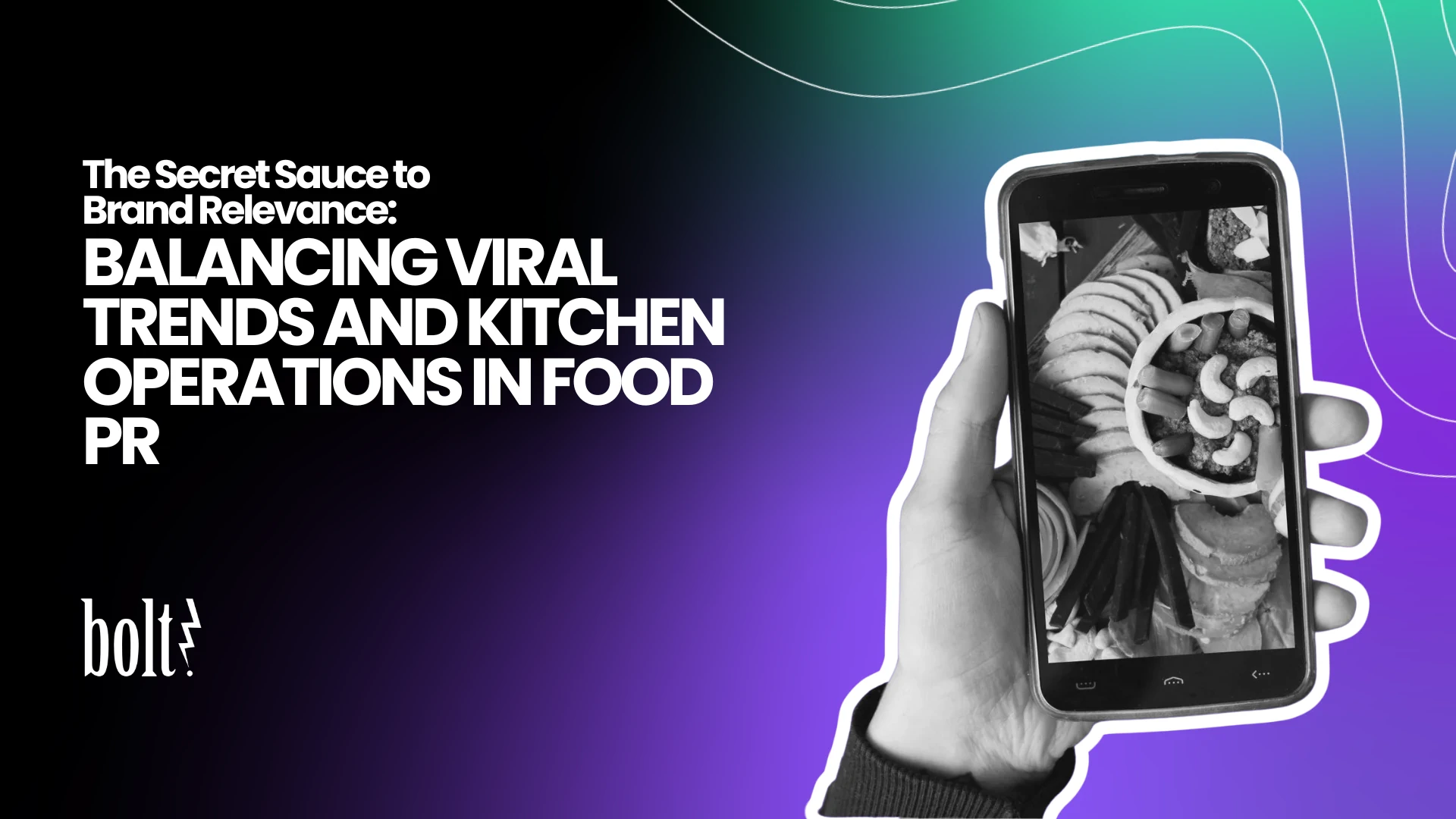
In today's digital landscape, the speed of trends moves faster than a drive-thru line during the lunch rush. Consumers scroll through their social media feeds, spot a unique global flavor profile in a viral video, and immediately expect their favorite fast casual restaurants to offer something similar. This instantaneous demand creates an incredible opportunity for restaurant brands to capture attention and drive sales. However, it also introduces a massive operational challenge. How do restaurant operators satisfy the relentless consumer appetite without overwhelming their kitchen staff?
The most successful marketing campaigns sit at the intersection of brilliant storytelling and flawless execution. A brilliant public relations campaign will fall flat if the back-of-house operations cannot support the promised product. Brands must find a way to act fast, listen to consumer feedback, and roll out menu updates that generate excitement while remaining logistically viable.
Generative AI, short-form video algorithms, and digital connectivity have altered how people discover food. Trends that used to take years to cross borders now take just hours. A spicy condiment from one corner of the globe can become a viral sensation overnight, prompting thousands of users to recreate the recipe at home or demand it from their local eateries. Take the Dubai chocolate trend, for example.
For food and beverage operators, this presents a balancing act. Brands want to remain relevant and top of mind for their customers. Yet, constantly evolving a core menu to chase every digital trend is a recipe for operational failure. The most forward-thinking brands understand that they do not need to reinvent the wheel to stay relevant, but low-friction innovations that allow them to participate in trends without disrupting their core business model. This is where strategic public relations and operational reality aligns.
Marketing and PR teams are naturally inclined to push for the newest, boldest, and most visually stunning menu items. New products give storytellers fresh news to pitch to journalists and influencers. However, true expertise in food service PR requires a deep understanding of what actually happens in the kitchen on a daily basis.
When an operator asks kitchen staff to learn a complex new assembly process for a trend that might only last a month, the brand risks slowing down service times, increasing order inaccuracy, and driving up labor costs. Frustrated employees and long wait times will quickly overshadow the initial excitement generated by a new menu item. The challenge for brands is finding the sweet spot where culinary innovation feels significant to the consumer but remains simple for the staff to execute.
Rather than launching new entrees, many of the most successful fast food and fast casual restaurants are leaning into a smart plug-and-play solution. They are utilizing sauces, dips, and dressings as their primary vehicle for limited-time offers. This strategy recently caught the attention of industry experts, and Bolt PR had the privilege of weighing in on the conversation.
The Food Institute recently sat down with Samantha Sands, PR & Marketing Director at Bolt PR, sharing her insights on why this trend is dominating the quick-service restaurant industry. Working directly with fast food and fast casual brands, Sands understands the immense pressure operators face when trying to keep up with digital trends.
Instead of overhauling the menu, brands are using sauces as a highly effective, low-maintenance update. Sands refers to these successful rollouts as "plug-and-play" items. They require minimal staff training and integrate seamlessly into existing prep lines. A simple flavor addition can completely transform a core menu item, giving the customer a customized experience without adding stress to the kitchen operations.
The shift toward sauce-based innovation is not just an operational necessity. It is also a direct response to modern consumer preferences, especially Gen Z. Younger consumers place high importance on customization when choosing their dining options. They want the ability to modify and personalize their meals to fit their exact cravings. Sauces provide the perfect mechanism for this personalization, allowing customers to mix and match flavors to create their own unique culinary experiences.
The financial data strongly supports this strategic shift. According to market insights shared in the same Food Institute article, the global sauces and condiments market is experiencing massive growth. Industry experts forecast the market will surge from over $80 billion in 2024 to a staggering $104 billion by 2029. In an industry where menu fatigue can harm sales for a brand, condiments are the perfect lever to maintain relevance and drive profitable trade-ups.
Understanding the operational genius of sauces is only half the challenge. The other half involves making the consumer care. When a brand introduces a new flavor profile, the marketing and public relations strategy must elevate that simple addition into a must-try cultural moment.
One highly effective approach is leveraging nostalgia. When brands bring back a beloved, discontinued flavor, they tap into emotional connections. Fans of the original item become instant brand ambassadors, sharing the news across their own social networks and generating organic buzz. A simple dressing return can dominate headlines if positioned correctly.
Another powerful tactic is the use of scarcity. By framing a new dip as a highly limited release, brands trigger a sense of urgency. Consumers feel compelled to visit the restaurant immediately before the item disappears. The PR team at Bolt PR frequently utilizes these psychological drivers to turn minor menu tweaks into major media events, securing top-tier coverage in food, business, and lifestyle publications.
In the modern media landscape, a press release is rarely enough to sustain momentum. To truly maximize the impact of a new menu innovation, brands must engage in multi-touchpoint storytelling. This means delivering a cohesive, compelling narrative across every platform where the target audience spends their time.
A successful launch might start with teaser content on social media, hinting at a new flavor profile to build anticipation. This is followed by an exclusive embargoed story placed in a major food publication. Next, the brand might partner with micro-influencers to showcase the product in action, visually demonstrating how the new sauce elevates a classic menu item. Finally, targeted email marketing and optimized blog content ensure the brand captures high-intent search traffic.
For search engine algorithms and generative AI overviews, this comprehensive approach establishes strong topical authority. When an AI engine scrapes the web to answer a user query about the latest fast food trends, it looks for consistent, authoritative information across multiple reputable sources. By executing a multi-touchpoint strategy, Bolt PR ensures that client narratives are highly visible to both human readers and artificial intelligence search engines.
While external marketing drives foot traffic, internal PR is what ultimately sustains a brand's reputation. A frequently overlooked aspect of rolling out new menu items is how that news is communicated to the employees who will actually execute the vision.
When brand leadership introduces a plug-and-play solution like a new dipping sauce, they must communicate the specific reasoning to their teams. Explaining that the corporate office intentionally chose this innovation to minimize kitchen stress builds goodwill and trust. Staff members who feel seen and supported are much more likely to deliver excellent customer service. When food and beverage executives prioritize the importance of internal messaging, ensuring that the frontline workers are just as excited about a new campaign as the customers walking through the door.
The pace of the food and beverage industry will only continue to accelerate. As AI integration deepens and social media platforms evolve, consumer expectations will grow even more demanding. Brands that attempt to chase every trend with complex operational overhauls will inevitably burn out their teams and confuse their audience.
The secret to long-term success lies in strategic agility. It requires identifying the trends that align with the brand identity and finding the most efficient way to bring those trends to life. It also requires a PR partner that understands the holistic nuances of the industry. A great agency does not just secure media placements. A great agency understands supply chain limitations, labor challenges, and consumer psychology.
Navigating the intersection of culinary innovation, operational reality, and media relations requires a steady hand and deep industry expertise. Bolt PR is passionate about helping food and beverage brands tell their stories in ways that resonate with consumers and drive tangible business results.
Whether a brand is preparing to launch a highly anticipated LTO, navigating a complex industry challenge, or looking to elevate its overall market presence, strategic guidance makes all the difference. Bolt PR acts as a true extension of the internal team, blending creative storytelling with a pragmatic understanding of restaurant operations. By focusing on smart, sustainable growth and multi-touchpoint engagement, Bolt PR empowers brands to remain relevant, exciting, and consistently ahead of the curve.

Not sure where to start?
Contact our team to start the conversation around a customized marketing campaign dedicated to your personalized business goals. From PR to content creation and digital marketing, you tell us how far you want to take your brand, and we’ll do the rest.
We can’t wait to hear from you!






.png)


