Thank you! Your submission has been received!
Oops! Something went wrong while submitting the form.

For years, corporate influencer strategy followed a predictable script: cut a check to a celebrity with millions of followers, post a polished ad, and measure success by surface-level impressions.
That framework no longer delivers results.
Driven by algorithmic updates across TikTok, YouTube, and Instagram, consumer media consumption has undergone a massive structural transition. Modern buyers actively tune out polished corporate promotions, placing their confidence in relatable figures who cultivate real, interactive communities.
To stay relevant, brands must adapt to a landscape defined by hyper-focused authenticity and sustained audience trust.
Understanding the explosive trajectory of the creator market isn't an exercise in social media management, but is becoming a mandatory strategic pivot for companies aiming to capture market share and maximize ROI over the next decade.
Legacy marketing campaigns treated digital creators like digital billboards with purchasing static ad placements to broadcast messages across a broad audience pool.
That superficial model has lost its traction.
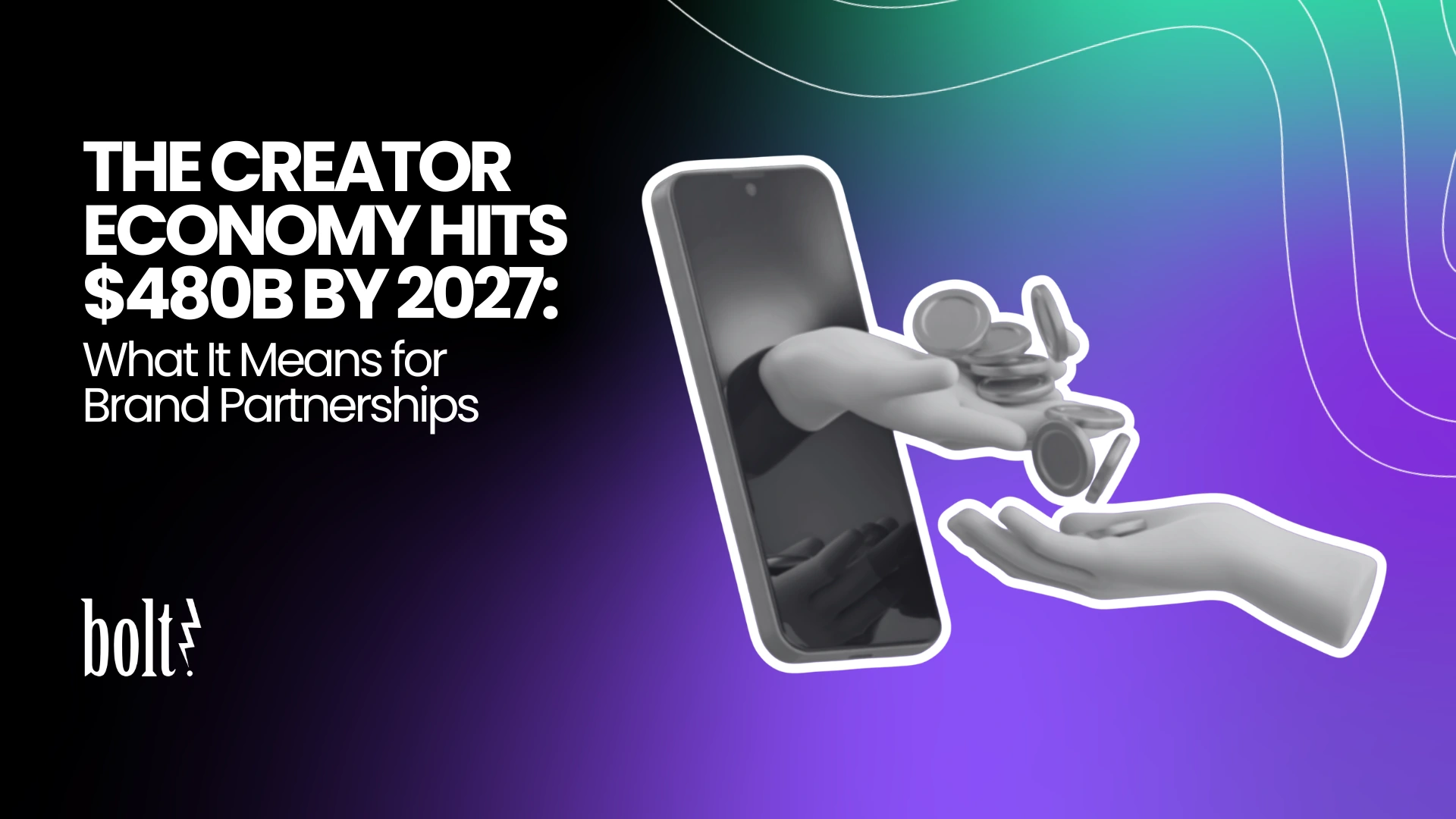
Goldman Sachs projects the creator economy will scale to $480 billion by 2027, climbing from $250 billion in 2023. This massive expansion highlights a fundamental realignment in advertising budgets as capital flows away from traditional channels and directly into independent content channels.
Consumers today turn to trusted vertical experts for unvarnished product evaluations, live demonstrations, and practical advice. Enterprise brands relying exclusively on corporate ad copy risk being completely bypassed by audiences who rely on creator recommendations to guide their purchasing decisions.
Navigating this expanded ecosystem requires transitioning from one-off promotional posts to long-term creator partnerships.
Research indicates that micro-creators (accounts with 10,000 to 100,000 followers) yield up to 60% higher engagement rates and 20% stronger conversion efficiency than macro-celebrities. While macro social media accounts offer massive visibility, smaller creators cultivate dedicated influence within targeted market segments.
Collaborating with niche creators delivers clear operational advantages:
Unlocking enterprise value from creator networks demands structured, outcome-driven deal models:
Success in the creator era can no longer be evaluated through vanity metrics like broad reach or single-post likes. The core metric defining modern brand dominance is Creator Share of Voice, the proportion of organic, category-specific creator conversations your brand commands relative to competitors.
A company can spend heavily on traditional media buying, but if an agile competitor holds 70% of the organic conversation among key industry voices, that competitor will consistently capture customer intent.
Organizations that stick strictly to legacy advertising tactics face diminishing returns. As ad fatigue and rising customer acquisition costs squeeze margins, market leaders are embedding themselves into creator ecosystems to secure distribution rights and lock in consumer mindshare.
When buyers search for their next purchase, failing to appear in creator-led recommendations means being left out of the buyer's consideration set entirely.
Does this mean traditional ad channels are obsolete? Not at all. Paid media remains a powerful multiplier, but creator-led content is now the core driver of modern brand affinity.
Capitalizing on the $480B creator economy requires moving past short-term sponsorships. By establishing long-term, value-aligned partnerships with respected category creators, brands transform routine marketing into an enduring competitive advantage.
Ready to position your brand at the center of the creator revolution? See how Bolt PR helps industry leaders turn strategic creator partnerships into measurable social authority, higher brand affinity, and long-term market dominance.

Not sure where to start?
Contact our team to start the conversation around a customized marketing campaign dedicated to your personalized business goals. From PR to content creation and digital marketing, you tell us how far you want to take your brand, and we’ll do the rest.
We can’t wait to hear from you!



.png)


